
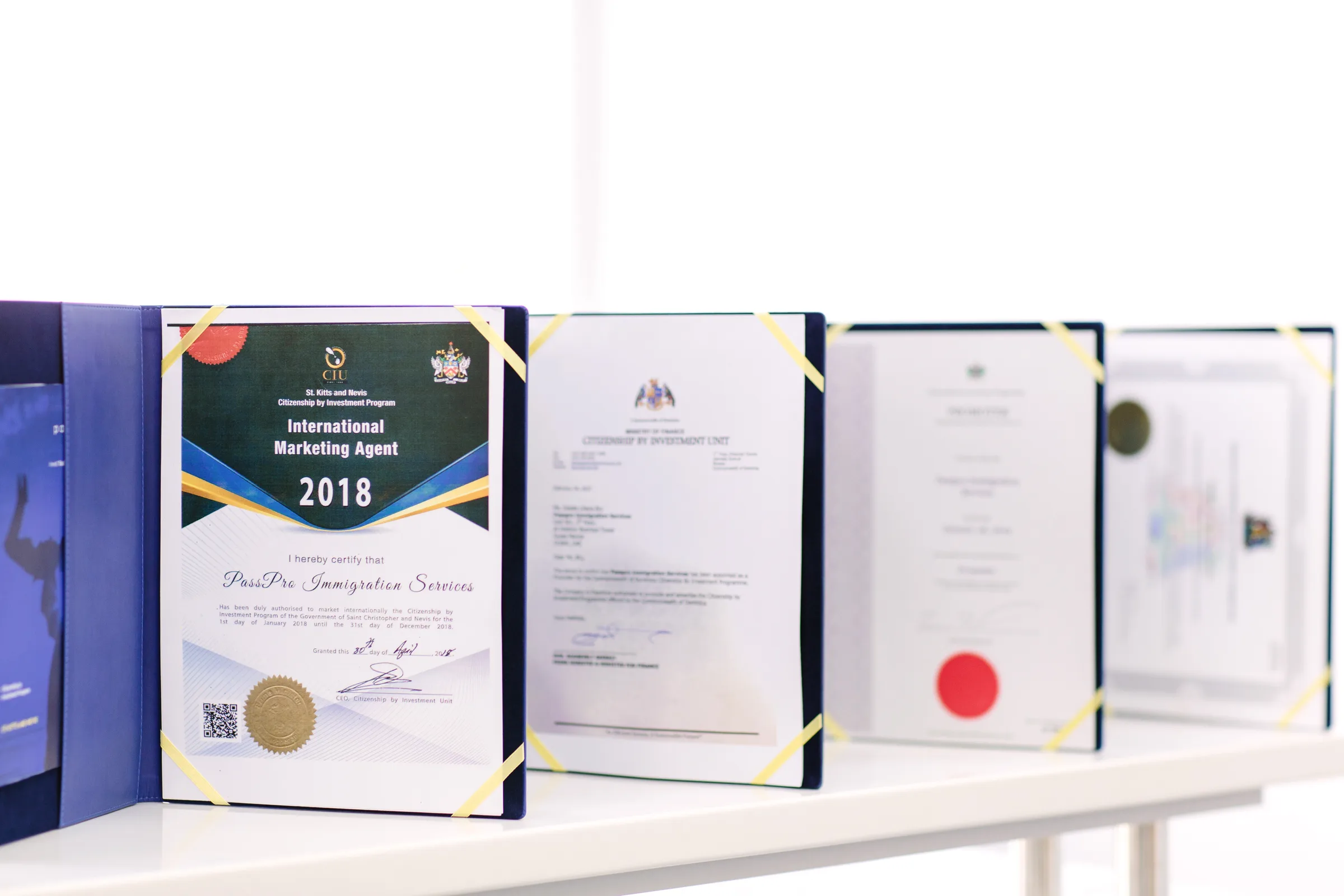
Стандарты комплексной проверки
Строгая реальность карибского гражданства,
в 2026 году.
Карибские программы гражданства за инвестиции ужесточаются, а не ослабляются. По всем пяти действующим программам — Антигуа и Барбуда, Содружество Доминики, Гренада, Сент-Китс и Невис, Сент-Люсия — стандарты комплексной проверки, действующие в 2026 году, существенно строже, чем были даже три года назад. Этот брифинг опирается исключительно на материалы официальных подразделений по гражданству и государственного законодательства.
01 · Общий стандарт
Все пять программ работают через специализированные государственные подразделения по гражданству.
Это не рынок. Это регулируемая структура, которую каждая страна администрирует через уставные органы, чья задача — сохранять целостность выдаваемого паспорта.
Каждая из пяти карибских стран, имеющих программу гражданства за инвестиции, администрирует её через специализированный государственный орган: Подразделение по гражданству за инвестиции Антигуа и Барбуды (CIU), Подразделение по гражданству за инвестиции Доминики (CBIU), Агентство по инвестиционной миграции Гренады (IMA), Подразделение по гражданству Сент-Китс и Невис (CIU) и Программу гражданства за инвестиции Сент-Люсии (CIP Saint Lucia). Это не отраслевые ассоциации и не маркетинговые объединения. Это уставные органы, действующие на основании законодательства о гражданстве своих государств.
Ни одна из пяти программ не принимает заявления непосредственно от частных инвесторов. Каждое заявление подаётся через лицензированного или уполномоченного агента, назначенного соответствующим подразделением, согласно опубликованным реестрам агентов. Каждое подразделение также публикует чёрный список агентов — фирм, исключённых из реестра.
Через что проходит каждый заявитель во всех пяти программах:
01
Проверка личности и документов
Биографические данные, паспорт, гражданское состояние, место жительства.
02
Источник состояния и источник средств
Содержательная документация, прослеживаемая до происхождения.
03
Биография и судимости
Справки из полиции по каждой стране проживания и гражданства, а также международные списки наблюдения.
04
Скрининг политически значимых лиц
Проверка самого заявителя и членов расширенной семьи по базам PEP.
05
Независимая проверка сторонней разведкой
Каждое подразделение помимо собственных проверок привлекает внешние фирмы по комплексной проверке.
06
Санкционный скрининг
ООН, ЕС, OFAC, Великобритания, а также страновые списки.
Запрашиваемая информация требовательнее того, что большинство банков просит для открытия корпоративного счёта. Пять карибских подразделений выстраивали эту структуру в течение более чем десяти лет. Биометрические и уставные реформы 2024–2026 годов — это следующий слой поверх неё.
02 · Региональное лидерство
Закон о подразделении по гражданству 2024 года и биометрическая программа 2026 года.
Сент-Китс и Невис — страна, чья программа в 1984 году открыла современную отрасль, — за последние восемнадцать месяцев провела две из самых значимых реформ в истории региона. Обе публично задокументированы на сайте ciu.gov.kn и сегодня работают в полном объёме.
Закон о подразделении по гражданству 2024 года преобразовал Подразделение по гражданству Сент-Китс и Невис в уставную корпорацию. Мандат подразделения теперь закреплён формальным законодательством, а не министерским усмотрением: учреждены Совет управляющих, Канцелярия Председателя и публично объявленная руководящая команда. CIU декларирует шесть принципов, которыми оно руководствуется: прозрачность, коммуникация, добросовестное управление, преобразование, глобальное лидерство, устойчивость. Это язык института, который решил быть измеримым, а не агентства, надеющегося, что ему будут доверять.
Национальная программа биометрического учёта и модернизации паспорта стартовала 14 апреля 2026 года. Это совместная инициатива Министерства национальной безопасности, гражданства и иммиграции и CIU. Программа приводит паспорт Сент-Китс и Невис к биометрическим стандартам, уже действующим в Европейском союзе, Соединённых Штатах и Великобритании.
Эта модернизация приводит наши паспорта в соответствие с паспортами ведущих государств и укрепляет защиту проездного документа каждого гражданина Сент-Китс и Невис. Правительство построило программу вокруг доступности — пункты сбора данных открываются по всему миру — и вокруг защиты данных: вся биометрическая информация находится под полным контролем государства.
— Е.П. Кэлвин Сент-Джаст, Председатель Подразделения по гражданству Сент-Китс и Невис, на запуске программы 14 апреля 2026 года.
Что фактически включает биометрический учёт:
- Отпечатки пальцев, цифровое изображение лица и цифровую подпись.
- Соответствие стандартам Международной организации гражданской авиации (ICAO) и международным нормам защиты данных.
- Зашифрованное хранение с доступом исключительно для правительства.
- Приём от 15 до 30 минут в официально назначенном пункте сбора данных.
- Никаких сторонних платформ — учёт проводится исключительно через официальную Платформу биометрического учёта Правительства Сент-Китс и Невис.
- Данные собираются один раз и действуют в течение всего срока действия паспорта.
Сеть пунктов сбора данных сама по себе примечательна для небольшого островного государства. Центры уже работают в Сент-Китсе, Дубае и Гонконге, а следующий этап консульских локаций — Оттава, Торонто, Лондон, Абу-Даби и Стамбул — открывается с июня 2026 года. Граждане Федерации, в том числе иждивенцы, получившие гражданство по программе, обязаны пройти учёт до 31 июля 2027 года. После этой даты для международных поездок будут приниматься только паспорта с биометрией.
03 · Что вам даёт строгость
Паспорт сохраняет свою ценность на протяжении десятилетий ровно настолько, насколько строг институт, который его выдал.
Второе гражданство устойчиво ровно настолько, насколько устойчив стоящий за ним институт. Реформы 2024–2026 годов — это не формальность. Это ответ на структурный вопрос, который должен задавать себе каждый будущий заявитель: как этот паспорт будут воспринимать через десять лет?
Карибское гражданство за инвестиции — это инструмент долгого срока. Паспорт, который Вы получаете в 2026 году, — это паспорт, который будут держать в руках Ваши дети, а в большинстве программ и Ваши внуки. Его ценность на протяжении этих десятилетий определяется не столько сегодняшним числом безвизовых направлений, сколько регуляторным качеством института, который его выдал.
Именно это и защищают недавние реформы. Структура уставной корпорации, биометрическое соответствие стандартам ЕС/США/Великобритании, обязательное соблюдение требований ICAO, прозрачные реестры агентов — это не маркетинговые заявления. Это компоненты паспорта, который сохраняет ценность тогда, когда Европейская система информации о поездках и авторизации (ETIAS), электронное разрешение на въезд в Великобританию (ETA) и двусторонние визовые режимы США работают в режиме полной проверки.
Ещё одно следствие, о котором стоит сказать прямо: реформы наглядно идут в ногу с направлением международных стандартов финансовой добросовестности. Группа разработки финансовых мер борьбы с отмыванием денег (FATF) задаёт глобальные стандарты противодействия отмыванию денег и финансированию терроризма. Регламент ЕС 2024 года о борьбе с отмыванием денег (Регламент AMLA) и связанная с ним директива повышают планку усиленной комплексной проверки для трансграничных потоков высокого риска. Карибские программы, добавившие биометрию, уставное корпоративное управление и прозрачные реестры агентов, не реагируют на это давление оборонительно — они движутся с ним в одном направлении.
Для заявителя практический эффект прост. Дела, поданные в 2026 году, рассматриваются по стандартам, которые ЕС, США, Великобритания и FATF будут применять в 2030 году. Именно в этой структуре PassPro работает уже семнадцать лет.
04 · Краткий обзор
Где каждая программа находится в системе 2026 года.
Сжатый институциональный взгляд на каждую из пяти программ. Подробные обзоры доступны на отдельных страницах стран.
Антигуа и Барбуда
Учреждено достопочтенным Премьер-министром Антигуа и Барбуды. Варианты инвестиций: Национальный фонд развития, Фонд Университета Вест-Индии, недвижимость, инвестиции в бизнес. CIU публикует свою брошюру в открытом доступе и является членом Investment Migration Council.

Содружество Доминики
Возглавляется Премьер-министром, достопочтенным доктором Рузвельтом Скерритом. Варианты инвестиций: Фонд экономической диверсификации и недвижимость. CBIU публикует отдельную страницу об усиленной комплексной проверке, реестр агентов из чёрного списка и список запрещённых национальностей.

Гренада
Учреждено в феврале 2014 года на основании Закона Гренады о гражданстве за инвестиции 2013 года. Варианты инвестиций: Национальный трансформационный фонд и недвижимость. Граждане Гренады — единственные среди пяти, кто имеет уникальную возможность получить визу инвестора по договору E-2 в США.
Сент-Китс и Невис
Первая в мире программа гражданства за инвестиции, учреждённая в 1984 году. Работает на основании Закона о подразделении по гражданству 2024 года как уставная корпорация. Национальная программа биометрического учёта и модернизации паспорта действует с 14 апреля 2026 года.

Сент-Люсия
Варианты инвестиций по пяти категориям: Национальный экономический фонд, недвижимость, проекты предприятий, государственные облигации и инвестиции в общественные блага. CIP публикует годовые отчёты, статистику, полный текст законодательства о гражданстве и реестр агентов из чёрного списка. Член IMC.
05 · Что делает старший консультант
Пять вопросов, которые стоит задать перед тем, как взять обязательства.
Комплексная проверка — это не только то, что государство делает в отношении заявителя. Это и то, что заявитель должен сделать в отношении фирмы, предлагающей его консультировать. На следующие пять вопросов любая серьёзная фирма ответит чисто — и редко кто-либо ещё.
-
01
С каким Подразделением по гражданству у Вас есть лицензия и под каким номером?
Серьёзная фирма назовёт Вам номер без колебаний. Этот номер проверяется по опубликованному реестру уполномоченных агентов соответствующего подразделения.
-
02
Будет ли моя документация по источнику средств выстроена до подачи или направлена в подразделение в том виде, в каком я её передам?
Старшая фирма выстраивает каждое дело прежде, чем оно покидает офис. Поточная фирма пересылает документы в подразделение и надеется на лучшее.
-
03
Какие пункты биометрического учёта работают на сегодняшний день и как приём встраивается в общий график?
Этот вопрос показывает, перешла ли фирма реально на структуру 2026 года или продолжает работать по дореформенным ожиданиям.
-
04
Каким образом Вы действуете, когда у подразделения возникает запрос по делу?
В серьёзной фирме на запрос лично отвечает старший консультант. В поточной фирме запрос передают младшему сотруднику и ждут.
-
05
Что происходит с моим гонораром, если моё дело не одобрят?
Если дело, принятое нами в работу, не одобрено, PassPro возвращает все платежи по этому делу, включая обычно невозвратные государственные сборы. У других фирм позиция иная. Честные из них прямо скажут Вам, какая именно.
FAQ
Frequently asked questions
Какую комплексную проверку требует карибское гражданство за инвестиции в 2026 году?
Во всех пяти карибских программах каждый заявитель проходит проверку личности, документирование источника состояния и источника средств, проверку судимостей по каждой стране проживания и гражданства, скрининг политически значимых лиц, санкционный скрининг (ООН, ЕС, OFAC, Великобритания и другие), а также независимую проверку внешними разведывательными фирмами, привлекаемыми Подразделением по гражданству. Программа Сент-Китс и Невис дополнительно требует биометрического учёта (отпечатки пальцев, цифровое изображение лица, цифровая подпись) в рамках Национальной программы биометрического учёта и модернизации паспорта, запущенной 14 апреля 2026 года.
Соответствует ли карибское гражданство за инвестиции стандартам FATF?
Пять карибских программ работают в рамках структур, выстроенных в соответствии со стандартами FATF и других международных органов. Реформы 2024–2026 годов — включая Закон о подразделении по гражданству 2024 года в Сент-Китс и Невис, биометрическую программу, согласованную с паспортными стандартами ЕС/США/Великобритании, и прозрачные реестры агентов и проектов во всех пяти подразделениях — идут в направлении Регламента ЕС AMLA 2024 года и более широких рекомендаций FATF.
Что такое Закон о подразделении по гражданству Сент-Китс и Невис 2024 года?
Закон о подразделении по гражданству 2024 года преобразовал Подразделение по гражданству Сент-Китс и Невис в уставную корпорацию. Теперь подразделение действует через Совет управляющих, Канцелярию Председателя и публично объявленную руководящую команду, опираясь на публично заявленные принципы управления. Закон вывел подразделение из-под министерского усмотрения и поместил его деятельность под формальное законодательство. Структура публично задокументирована на ciu.gov.kn.
Когда Сент-Китс и Невис ввели биометрические паспорта?
Национальная программа биометрического учёта и модернизации паспорта была запущена 14 апреля 2026 года как совместная инициатива Министерства национальной безопасности, гражданства и иммиграции и Подразделения по гражданству. Новые заявители с этой даты проходят биометрический учёт в составе своего заявления. Действующие граждане Федерации обязаны завершить учёт до 31 июля 2027 года.
Где можно пройти биометрический учёт?
Пункты сбора данных работают в Сент-Китсе, Дубае и Гонконге, дополнительные пункты открываются в Оттаве, Торонто, Лондоне, Абу-Даби и Стамбуле. Запись на учёт возможна исключительно через официальную Платформу биометрического учёта Правительства Сент-Китс и Невис.
Можно ли подать заявление напрямую в карибское Подразделение по гражданству?
Нет. Все пять карибских программ — Антигуа и Барбуда, Доминика, Гренада, Сент-Китс и Невис, Сент-Люсия — требуют, чтобы заявления подавались через лицензированного или уполномоченного агента, назначенного соответствующим Подразделением по гражданству. Подразделения публикуют свои реестры уполномоченных агентов; PassPro является государственно уполномоченным агентом для каждой из пяти программ.
Существуют ли национальности, не допускаемые к карибскому гражданству за инвестиции?
Да. CBIU Доминики публикует список запрещённых национальностей. Другие подразделения применяют процедуры рассмотрения по странам с ограничениями, которые могут означать повышенное внимание или ограничение доступа. Каждый случай рассматривается индивидуально, а применимая структура зависит от программы и национальности. Старший консультант подтвердит право на участие до любых финансовых обязательств.
Насколько строгость карибской комплексной проверки соотносится с другими программами гражданства за инвестиции в мире?
Пять карибских программ применяют самую обстоятельно задокументированную структуру комплексной проверки среди всех ныне действующих программ гражданства за инвестиции. Сочетание обязательной подачи через лицензированного агента, специализированных уставных подразделений по гражданству с публично объявленными структурами власти, прозрачных реестров агентов и проектов, обязательной независимой проверки третьими сторонами и (в Сент-Китс и Невис) биометрического учёта по стандартам ICAO в 2026 году находится на переднем крае отрасли. Реформы 2024–2026 годов подняли планку ещё выше.
Поговорите со старшим консультантом
Структура 2026 года строже, чем когда-либо. Пройти её достойно можно только при участии старшего консультанта.
PassPro работает в этих структурах уже семнадцать лет. Каждое дело, которое мы подаём, выстраивается так, чтобы пройти стандарты комплексной проверки 2026 года ещё до подачи. За каждым принятым нами заявлением стоит наше обязательство по возврату средств. Первый разговор — частный и ни к чему не обязывающий.
Или свяжитесь напрямую: +971 58 598 6124 · enquiry@passpro.co