
Dominica CBI: 30-Day Stay Confirmed, Passport Details Pending
Dominica now requires new CBI citizens to spend 30 days in the country within five years. See what is confirmed, what is pending, and how families should plan.
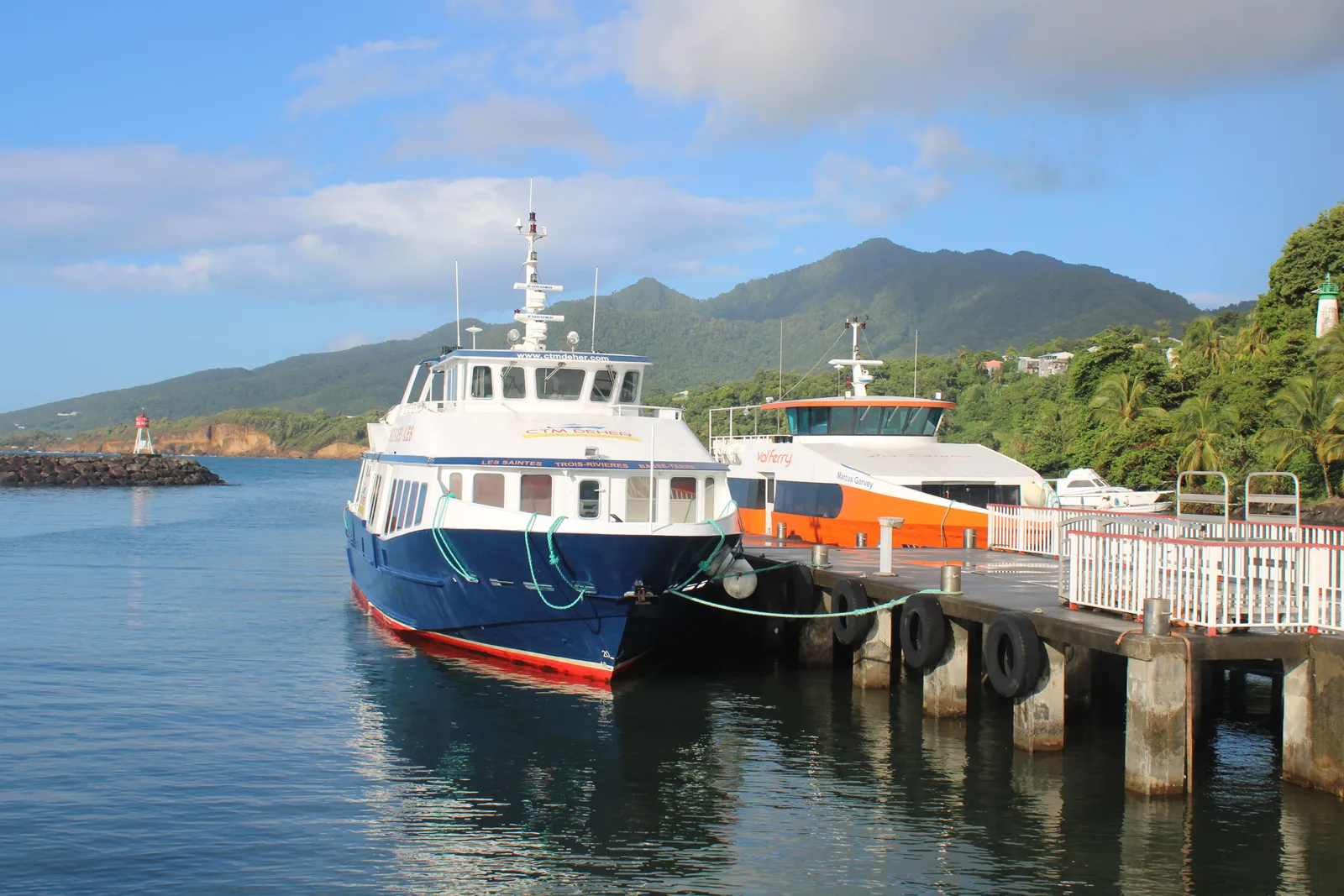
Roseau, Dominica. The Government has now confirmed a 30-day presence requirement during the first five years of citizenship.
The position in 30 seconds
Thirty days in Dominica is now confirmed. An in-person passport collection or renewal rule is not.
- New citizens must be physically present in Dominica for at least 30 days during their first five years of citizenship.
- The Government has not said that all 30 days must be taken in one continuous stay.
- The 4 August Budget Address does not make passport collection or renewal the trigger for the visit.
Dominica has moved from policy intention to a defined physical-presence requirement. In its 2026/2027 Budget Address, the Government confirmed that new citizens under the Citizenship by Investment programme must spend at least 30 days in Dominica during the first five years after receiving citizenship. They must also establish a genuine link to the country and participate in approved integration programmes.
That is the confirmed rule. Several practical questions remain unanswered, including whether the 30 days may be divided across multiple visits, how attendance will be recorded, which family members are covered by transitional arrangements, and whether passport procedures will eventually be used as a compliance checkpoint.
Go directly to the answer you need: What is confirmed? · Do I have to collect my passport in Dominica? · What if my application is already in process? · How should a family plan the visit?
Updated 5 August 2026. This article distinguishes the Government’s current policy from operational detail that has not yet been published.
What Dominica has now confirmed
The Budget Address delivered on 4 August 2026 identifies three obligations for new CBI citizens:
- Establish a genuine link to Dominica.
- Be physically present in Dominica for at least 30 days during the first five years after receiving citizenship.
- Participate in approved integration programmes.
The Government stated that it intends to ensure these requirements are fully implemented and observed. This is more specific than the 11 June announcement, which said successful applicants would be required to visit Dominica and spend time in the country but left the duration and mechanics open.
The practical distinction is important: the 30-day period begins after citizenship is received. It is not described as a residence requirement before an application can be approved.
| The question | Official position as of 5 August 2026 |
|---|---|
| Is physical presence confirmed? | Yes. At least 30 days during the first five years after citizenship. |
| Must the 30 days be continuous? | Not specified in the Budget Address. |
| Is travel required during the application process? | The current CBIU guidance says no; the new obligation is framed as a post-citizenship requirement. |
| Must the passport be collected in Dominica? | Not stated in the Budget Address or the June Government announcement. |
| Must passport renewal happen in Dominica? | No new in-person renewal procedure has been officially published. |
| Are integration activities defined? | Not yet in the public operational guidance reviewed for this update. |
Does passport collection have to happen in Dominica?
The careful answer is: the Government has confirmed an in-country visit and a 30-day presence requirement, but it has not publicly tied that requirement to passport collection.
The June announcement referred to successful applicants visiting Dominica and spending time in the country. It did not mention passport pickup or renewal. The August Budget confirmed the 30-day rule after citizenship, but again did not state where a first passport must be collected.
The Dominica Citizenship by Investment Unit’s current FAQ still says that applicants do not have to travel during the application process. It also says passports may be renewed through the Passport and Immigration Department in Dominica or a Dominican consulate. That page may require updating as the new framework is implemented, but it remains the published CBIU guidance as of this review.
The distinction to keep
A presence obligation is confirmed. Passport logistics are still an operational question.
Families should plan for time in Dominica, but should not book travel around passport collection or renewal until the Government or the CBIU publishes the relevant procedure.
What this means for current and prospective applicants
If you are considering Dominica
Treat the 30 days as part of the programme design, not as a footnote. Before proceeding, confirm that each relevant family member can accommodate travel during the five-year window. The question is no longer whether a visit may be required. It is how the family will organise it once the implementation rules are clear.
The change does not, on the official material reviewed for this update, alter the contribution threshold, due-diligence process, or family eligibility rules. It adds a post-citizenship relationship with the country.
If your application is already in process
Do not assume that a headline establishes the rule for your particular file. The Budget uses the term “new citizens”, but the Government has not yet published detailed transitional rules identifying the treatment of applications submitted, approved, or naturalised on different dates.
Your next step is simple: keep the application moving, avoid speculative travel arrangements, and ask your authorised advisor to confirm the rule that applies at the relevant stage of your file.
If you already hold Dominican citizenship
The Budget describes obligations for new citizens. It does not set out a retrospective requirement for every existing economic citizen, nor does it announce a change to current passport-renewal locations. Existing citizens should wait for formal implementation guidance before drawing a conclusion about their own renewal cycle.
How to plan without booking too early
A five-year window gives families room to plan deliberately. A sensible preparation sequence is:
- Map the family calendar. Identify school terms, business commitments, visa needs, and the travel capacity of every person included in the citizenship structure.
- Wait for the implementation notice. The Government still needs to clarify whether visits may be split, what counts as an approved integration activity, and how presence will be evidenced.
- Build one meaningful itinerary. When the rules are clear, the visit can combine compliance with a genuine introduction to the country—its institutions, communities, approved integration activities, and, where relevant, the family’s property or investment interests.
- Keep evidence. Retain entry and exit records and any proof of participation required under the final framework. Your advisor should maintain the compliance record alongside the citizenship file.
- Review before renewal. Even though no new in-person renewal rule has been published, the family should confirm that its presence and integration obligations have been satisfied well before any passport expires.
This is not a reason to rush to Dominica before the administrative framework is ready. It is a reason to make room for the country in the family’s five-year plan.
Why the rule is changing
Dominica’s Government has framed the measure as part of a broader effort to strengthen the relationship between economic citizens and the state. The policy sits within the Eastern Caribbean’s move toward common oversight, stronger due diligence, and a more demonstrable connection between citizenship and country.
For families, the practical consequence is modest but real: Caribbean citizenship can no longer be planned only as a document-delivery exercise. Travel capacity, family availability, and continuing compliance now belong in the initial programme comparison.
That change may narrow the field for some applicants. It may also support the long-term credibility of the programmes that implement it carefully. The relevant question is not whether 30 days is inconvenient in isolation. It is whether the family’s chosen jurisdiction remains suitable when the full five-year relationship is considered.
Frequently asked questions
Does Dominica now require CBI citizens to spend 30 days in the country?
Yes. The 4 August 2026 Budget Address states that new citizens must be physically present in Dominica for at least 30 days during the first five years after receiving citizenship.
Must the 30 days be completed in one visit?
The Budget Address does not say. It confirms the total presence requirement within the five-year period but does not publish the visit pattern or attendance procedure. Families should wait for operational guidance before booking.
Do applicants have to travel to Dominica before approval?
The current CBIU guidance says applicants do not have to travel during the application process. The new 30-day obligation is described as applying after citizenship is received.
Must successful applicants collect their first passport in Dominica?
No official source reviewed for this update makes in-person passport collection the rule. The Government has confirmed an in-country presence obligation, not the passport-collection mechanics.
Must CBI citizens renew their passports in Dominica?
No new in-person renewal procedure has been published. The CBIU’s current FAQ says renewal may be handled in Dominica or through a Dominican consulate. That guidance should be checked again when the Government publishes the implementation framework.
Does the rule apply to applications already in process?
Detailed transitional provisions have not yet been published. Applicants already in process should obtain file-specific guidance from their authorised advisor rather than infer an answer from the announcement date.
The PassPro view
The useful response is neither to dismiss the requirement nor to overstate it. Thirty days across a five-year period is a material planning input, but it is not relocation. Passport collection and renewal procedures remain separate questions until the Government says otherwise.
PassPro is an independent advisor to families on citizenship, residence, and long-term mobility. Established in 2016, with advisory experience dating to 2009, we advise principals across 40+ nationalities through the contribution route. If you have questions about your specific situation, contact us.
Official sources:
- Government of Dominica — Fiscal Year 2026/2027 Budget Address, 4 August 2026
- Office of the Prime Minister of Dominica — Government to introduce new measures to strengthen the CBI programme, 11 June 2026
- Dominica Citizenship by Investment Unit — Frequently asked questions
This article is provided for general informational purposes only and does not constitute legal, tax, or investment advice. Programme rules and implementation procedures are subject to change. Applicants and citizens should rely on official Government and CBIU communications and obtain advice for their individual circumstances.
Note: figures in this article are accurate as of 17 June 2026. For the current authoritative figures see our Citizenship Options page, the official government unit websites, or reach a senior advisor directly.

Have a specific question?
A senior advisor will answer it directly. Free, no obligation.
Begin a Confidential Conversation